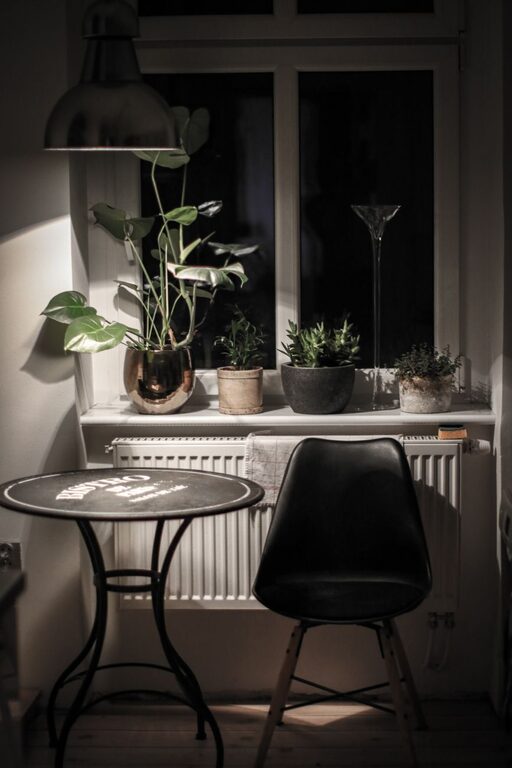
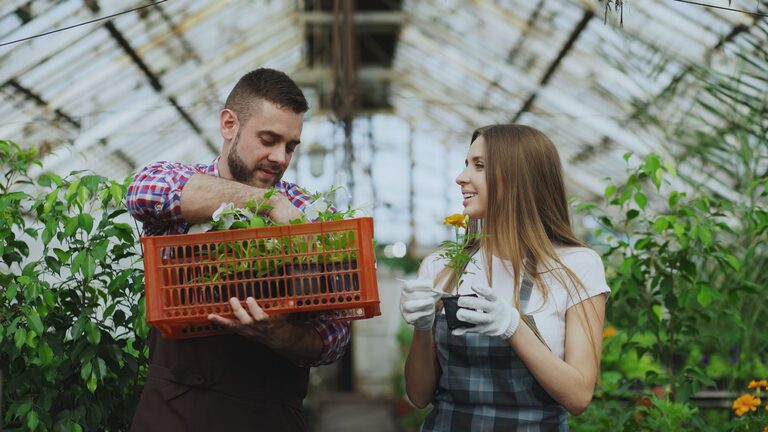
Creating a sustainable home garden is a rewarding way to connect with nature, reduce your environmental footprint, and enjoy fresh produce or beautiful plants all year round. Whether you have a large garden or a small balcony, adopting sustainable practices can help your plants thrive and make gardening less resource-intensive. In this guide, we share tips to keep your home garden flourishing through every season.
Plan Your Garden with Sustainability in Mind
Before planting, it’s important to plan carefully.
– Choose native and adaptable plants: Native plants are well-suited to your local climate and soil, requiring less water and fewer pesticides.
– Select a mix of perennials and annuals: Perennials return year after year, reducing replanting effort and waste.
– Include companion planting: Some plants grow better together and can naturally deter pests or improve soil health.
Improve and Protect Your Soil
Healthy soil is the foundation of sustainable gardening.
– Add organic matter: Compost, well-rotted manure, or leaf mould enrich soil with nutrients and improve structure.
– Avoid chemical fertilisers: Opt for natural fertilisers like seaweed extract or homemade compost tea instead of synthetic options.
– Practice crop rotation: Rotate crops each season to prevent nutrient depletion and reduce pests.
– Mulch your beds: Mulching retains soil moisture, suppresses weeds, and adds nutrients as it decomposes.
Use Water Wisely
Water is vital but should be conserved where possible.
– Collect rainwater: A rain barrel can supply water for dry days.
– Water deeply and less often: This encourages strong root growth.
– Use drip irrigation or soaker hoses: They deliver water efficiently, reducing waste.
– Water in the early morning or late evening: Minimises evaporation during hot periods.
Encourage Biodiversity and Natural Pest Control
Supporting local wildlife helps maintain a balanced ecosystem.
– Create habitats: Install bird feeders, insect hotels, or leave areas of wildflowers.
– Attract pollinators: Bees and butterflies are essential for many plants to fruit.
– Use natural pest deterrents: Plant herbs like basil or marigolds, which repel harmful insects.
– Avoid pesticides: If pests are a problem, try hand-picking or organic sprays like neem oil.
Seasonal Gardening Tips
Sustainability means working with the seasons rather than against them.
Spring
– Prepare soil with compost and plant early crops like peas, spinach, and radishes.
– Divide and transplant perennials.
– Start seedlings indoors to get a head start.
Summer
– Mulch beds to conserve moisture and reduce weeds.
– Harvest regularly to encourage continued growth.
– Watch for pests and manage naturally.
Autumn
– Plant cover crops (green manure) to protect soil over winter.
– Collect seeds from annuals for next year’s planting.
– Clear dead plant material to prevent disease but leave some leaves to decompose naturally.
Winter
– Plan next year’s garden layout.
– Maintain tools and prepare compost piles.
– Protect plants with cloches or frost covers if needed.
Reduce Waste and Reuse Materials
Sustainability also means minimising waste.
– Compost garden and kitchen waste: Reduces landfill and feeds soil.
– Reuse containers and pots: Old buckets or containers can be repurposed for planting.
– Recycle plant labels and supports: Use natural twine instead of plastic ties.
Final Thoughts
Creating a sustainable home garden is both enjoyable and beneficial for the environment. By planning thoughtfully, caring for your soil, conserving water, supporting wildlife, and adapting to the seasons, you can nurture a flourishing garden throughout the year. Remember, small changes add up—so start with a few tips and watch your green space thrive sustainably. Happy gardening!
About the Author