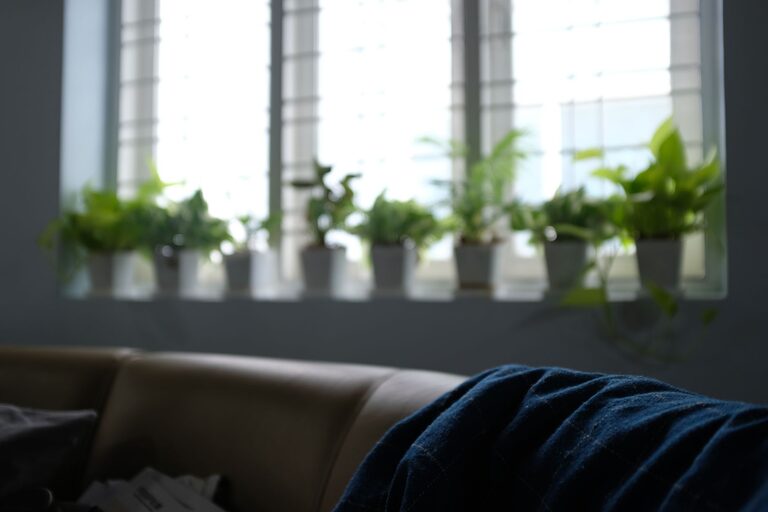
Creating a relaxing home environment is a wonderful way to reduce stress and improve your wellbeing. You don’t need to spend a fortune or hire a professional to make your space feel calm and inviting. With a few thoughtful adjustments and some creativity, you can turn your home into a soothing sanctuary that supports rest and relaxation.
This article offers easy, budget-friendly tips to help you achieve a peaceful home atmosphere, no matter your current decor or living situation.
Why a Relaxing Home Environment Matters
Our homes are where we recharge after busy days. A cluttered or chaotic environment can increase feelings of stress, while a calm and inviting space encourages relaxation and comfort. By focusing on creating a peaceful home, you’re investing in your mental and emotional wellbeing.
1. Declutter and Organise
One of the simplest and most effective ways to create calm is to declutter your space. Clutter can overwhelm the mind and make it hard to relax.
– Start small: Tackle one room or even one corner at a time.
– Sort items: Keep essentials, donate what you no longer need, and recycle or throw away the rest.
– Use storage solutions: Boxes, baskets, and shelves help keep things tidy and hidden from view.
– Maintain regular tidying: Spend 5–10 minutes each day putting things back in place.
2. Choose a Calm Colour Palette
Colours impact mood more than we often realise. Soft, neutral shades tend to promote relaxation.
– Go for light tones: Whites, creams, soft greys, and pastel blues or greens work well.
– Add colour carefully: Use accents like cushions, throws, or wall art to introduce gentle pops of colour.
– Avoid harsh brights: Neon or overly bold shades can feel energising rather than relaxing.
3. Bring Nature Indoors
Nature has a calming effect and incorporating natural elements can lift your mood.
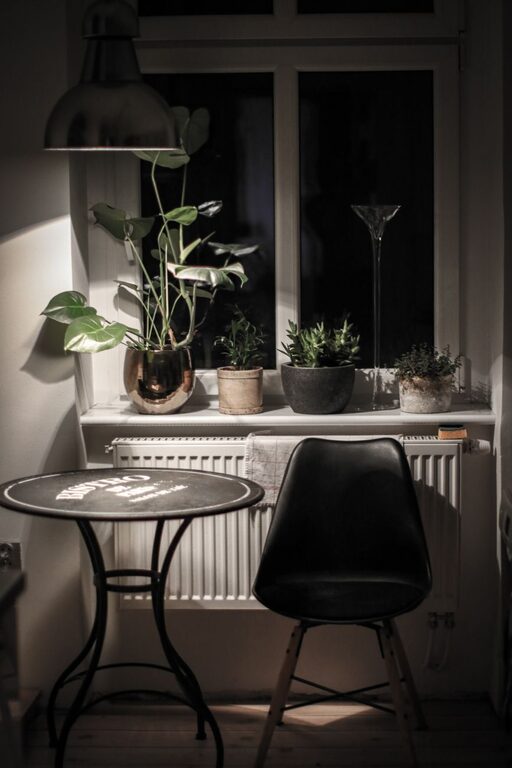
– Houseplants: Easy-to-care-for plants like spider plants, snake plants, or pothos improve air quality and look great.
– Natural materials: Use wood, rattan, cotton, or linen in furniture and soft furnishings.
– Natural light: Keep window areas clear to let in as much daylight as possible.
4. Use Soft Lighting
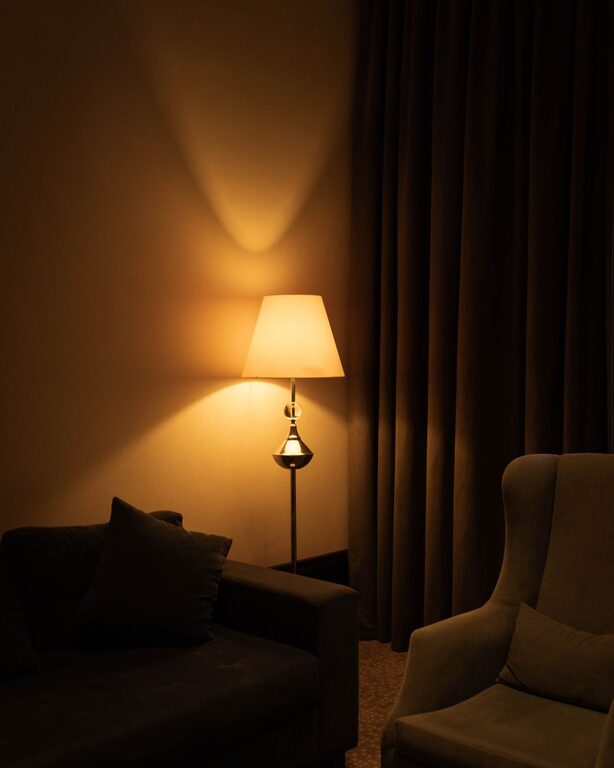
Harsh, bright lighting can feel intrusive. Soft, warm light creates a cosy atmosphere.
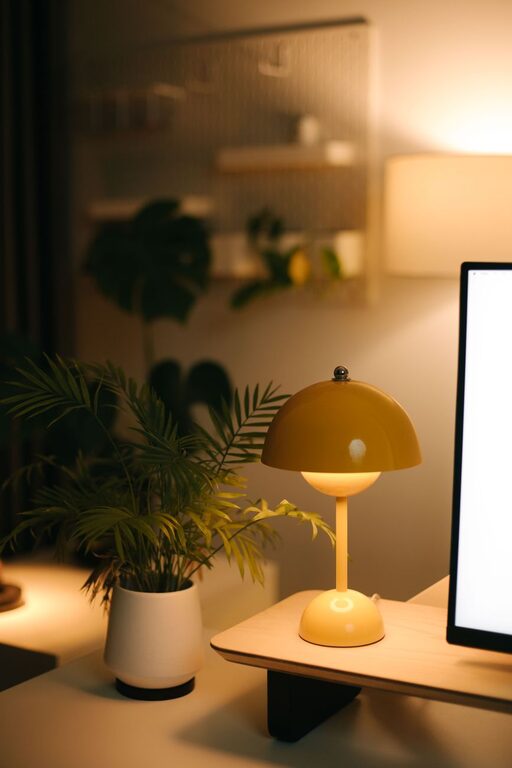
– Layer lighting: Combine ceiling lights with lamps and candles for flexibility.
– Invest in lampshades: They diffuse light beautifully and add style.
– Consider fairy lights: They add a gentle glow that feels magical without costing much.
5. Create Comfort with Textiles
Soft furnishings instantly make a space feel snug and welcoming.
– Invest in cushions and throws: Choose soft fabrics like fleece, wool, or chunky knits.
– Use rugs: A rug ties a room together and adds warmth underfoot.
– Change bedding regularly: Fresh, clean bedding improves sleep quality and feels like a treat.
6. Incorporate Relaxing Scents
A soothing scent can help your mind relax and create positive associations with your space.
– Use essential oils: Diffusers with lavender, chamomile, or eucalyptus are budget-friendly and effective.
– Try scented candles: Choose natural soy or beeswax candles with gentle fragrances.
– Natural options: Simmering herbs like rosemary or fresh lemon peels in a pot of water freshens the air naturally.
7. Designate a Relaxation Zone
Having a dedicated spot for rest or mindfulness makes relaxation easier.
– Choose a quiet corner: Even a small nook can work.
– Add a comfortable seat: A soft chair, a bean bag, or floor cushions.
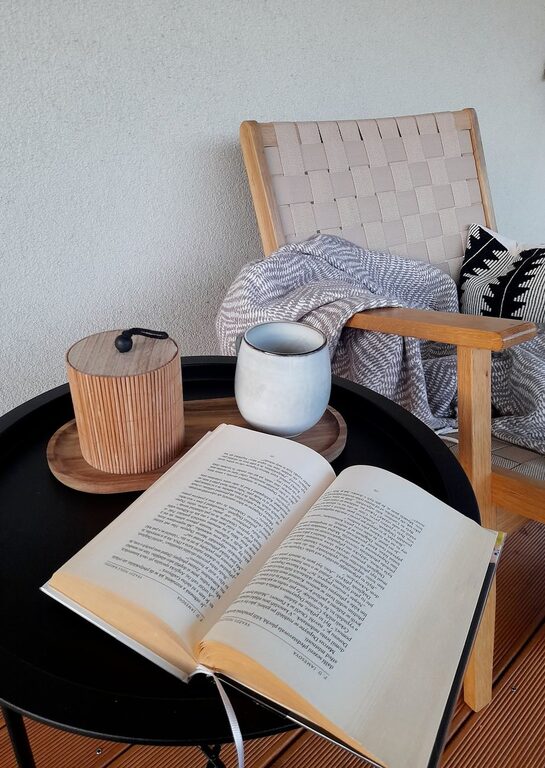
– Make it personal: Include books, a blanket, or calming decorations that make you feel at ease.
8. Minimise Noise Distractions
A noisy environment can interfere with relaxation. While soundproofing can be expensive, there are budget-friendly ways to reduce noise.
– Use thick curtains and rugs: These absorb sound.
– Play calming music or white noise: Use free apps or playlists to mask distracting sounds.
– Close doors and windows: Simple but often overlooked.
9. Use Personal Touches
Adding elements that reflect your personality ensures your space feels authentic and inviting.
– Display photos: Family, friends, or places you love.
– Incorporate meaningful objects: Souvenirs, artwork, or handmade crafts.
– Keep it simple: Too many decorations can create clutter and overwhelm.
10. Take Time to Maintain Your Space
Maintaining a relaxing environment is an ongoing process.
– Regular cleaning: Helps keep your space fresh and calming.
– Rotate decor: Change cushions, rugs, or accessories seasonally for a refreshed feel.
– Reflect on what works: Adjust your space based on what makes you feel most at ease.
—
Final Thoughts
Creating a relaxing home environment doesn’t require expensive purchases or major renovations. By focusing on decluttering, gentle colours, natural elements, soft lighting, and comfort, you can build a sanctuary that nurtures your wellbeing—all on a budget.
Remember, the key is to create a space that feels calm and inviting to you personally. Small changes can have a big impact, so start simple and enjoy the process of making your home a place where you can truly unwind.
About the Author