
Creating a sustainable garden at home is a rewarding way to contribute to environmental health while enjoying a beautiful outdoor space. By adopting eco-friendly gardening practices, you can reduce waste, conserve water, support wildlife, and grow your own fresh produce. Whether you have a large backyard or a small balcony, there are many ways to create a garden that’s both sustainable and enjoyable.
What is a Sustainable Garden?
A sustainable garden is designed and maintained with the goal of minimising environmental impact. It focuses on using natural resources wisely, promoting biodiversity, and reducing waste. Sustainable gardening also emphasises soil health, water conservation, and native plants that thrive in your local conditions without excessive inputs.
Benefits of a Sustainable Garden
– Environmental support: Sustainable gardens provide habitats for pollinators and other wildlife.
– Resource conservation: They use water and energy efficiently.
– Reduced waste: Composting and recycling materials lower rubbish sent to landfill.
– Health and wellbeing: Gardening encourages outdoor activity and can supply healthy, organic food.
– Cost savings: Less need for chemicals, water, and bought-in plants reduces expenses.
Tips for Creating Your Sustainable Garden
1. Choose Native and Drought-Tolerant Plants
Native plants are well adapted to your local climate and soil. They generally require less water, fertiliser, and care than exotic species. Drought-tolerant varieties, in particular, help reduce water usage during dry periods. Research local plant species or visit a nearby garden centre with eco-friendly options.
2. Improve Your Soil Naturally
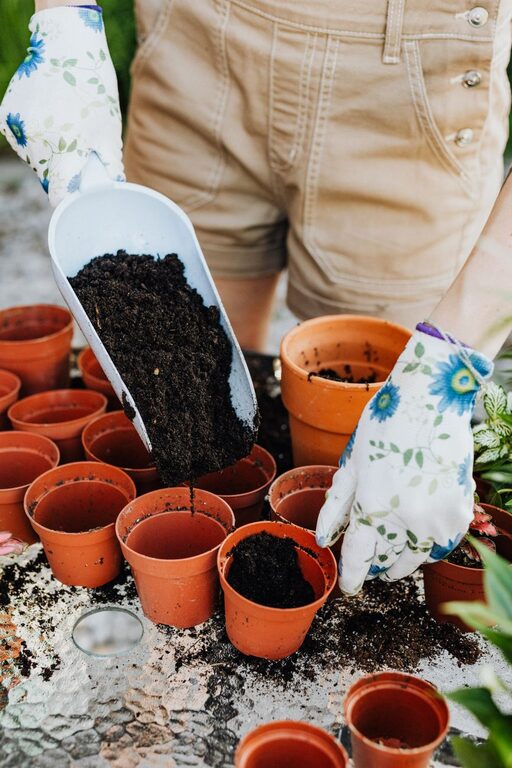
Healthy soil is the foundation of a thriving garden. Use organic compost to enrich your garden beds instead of synthetic fertilisers. Composting kitchen scraps and garden waste provides valuable nutrients and reduces rubbish. Avoid heavy digging to maintain soil structure and support beneficial organisms like earthworms.
3. Save Water with Smart Irrigation
Water is a precious resource, so take steps to use it efficiently:
– Water early or late: Reduce evaporation by watering at cooler times.
– Use drip irrigation or soaker hoses: These deliver water directly to roots with minimal waste.
– Collect rainwater: Install a rain barrel to capture runoff from your roof.
– Mulch around plants: Mulching conserves moisture and suppresses weeds.
4. Create Wildlife-Friendly Habitats
Encourage biodiversity by providing food and shelter for pollinators, birds, and beneficial insects:
– Plant a variety of flowering plants across seasons.
– Include native trees and shrubs.
– Add bird feeders or birdbaths.
– Leave some areas wild or with leaf litter.
– Avoid pesticides and herbicides, which can harm wildlife.
5. Reduce Chemical Use
Synthetic pesticides and herbicides can damage beneficial insects and pollute soil and water. Opt for natural pest control methods:
– Introduce predator insects like ladybirds.
– Use companion planting to repel pests.
– Handpick pests when feasible.
– Employ organic treatments only when necessary.
6. Grow Your Own Food
A vegetable and herb garden reduces your carbon footprint and gives you fresh, chemical-free produce. Even a small space can be productive with containers or vertical gardens. Choose plants suited to your climate and season, and rotate crops annually to maintain soil health.
7. Reuse and Recycle Garden Materials
Find creative ways to repurpose items:
– Use old containers as plant pots.
– Create garden pathways with reclaimed bricks or wood.
– Build compost bins from pallets.
– Avoid single-use plastics in garden supplies.
8. Plan for Seasonal Change
Design your garden to look attractive year-round and support wildlife all seasons:
– Include evergreen shrubs and winter-flowering plants.
– Collect seeds and nuts to feed birds in colder months.
– Leave dead stems for overwintering insects.
Getting Started and Staying Motivated
Creating a sustainable garden can be done step-by-step. Start small, perhaps with a container of herbs or a compost bin. Learn which plants thrive locally and experiment with natural methods. Join community gardening groups or follow sustainable gardening blogs for support and inspiration. Remember, every effort counts and your garden will improve year by year.
—
By following these tips, you’ll build a garden that’s not only beautiful but also a positive force for nature and your well-being. Sustainable gardening is a journey, and your home garden can be a wonderful place to nurture both the environment and yourself.
About the Author